
GUT HEALTH & EVERYDAY WELLNESS
DYPT? Did You Poop Today?
Let’s talk about what’s normal, what to watch for, and what may help when you’re feeling backed up.
By Dr. Daisiá Glenn
What’s up, family? I’m about to ask you a question that might feel a little weird: Did you poop today?
We don’t talk about bowel movements much, which makes it easy to wonder whether what you’re experiencing is normal. So let’s get comfortable talking about it.
What your gut does with a meal
Your digestive system breaks down food so your body can absorb nutrients for energy, growth, and repair. Your large intestine absorbs water and turns what remains into stool. Going to the bathroom is how you pass that waste. A bowel movement after lunch doesn’t mean you just passed your lunch: eating can prompt your colon to move stool that was already there.
Do you have to go every day?
No. There’s no rule that you need to go after every meal or even every day. Pay attention to what’s usual for you and whether stools are hard, dry, or difficult to pass. Going fewer than three times a week, straining, or feeling like you didn’t finish can all be signs of constipation.
Personally, a good bathroom trip can feel like an accomplishment. But you don’t need to feel lighter, energized, or ready to tell the whole family for it to count. What’s more useful is noticing whether going feels comfortable and whether your usual pattern has changed.
Start with the everyday habits
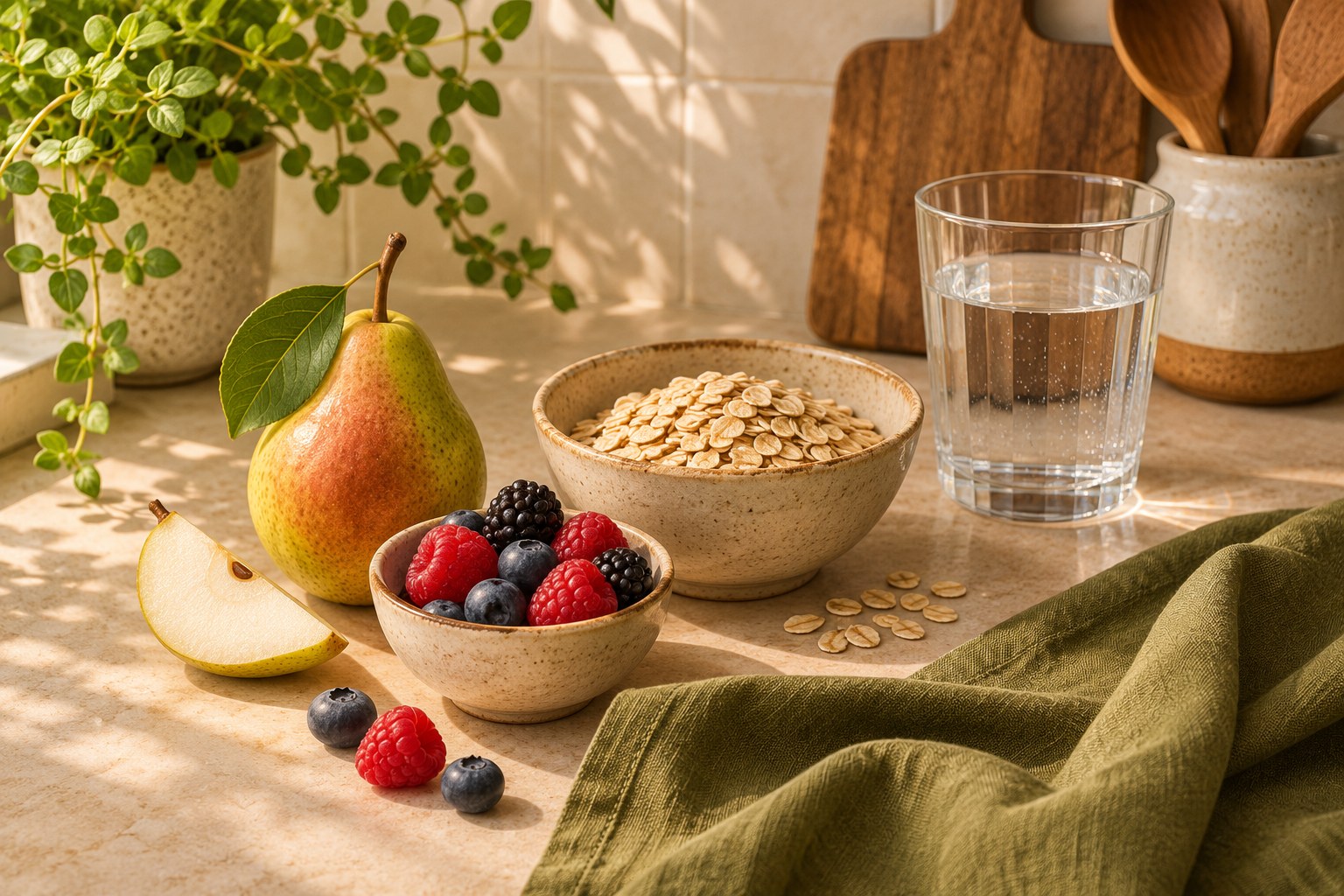
- Add fiber gradually. Try foods you already enjoy, like pears, berries, beans, oats, or vegetables. Give your body time to adjust.
- Drink water regularly. Fluids help fiber do its job.
- Make time to go. Try sitting on the toilet after breakfast without rushing or straining. A footstool can help you sit more comfortably.
- Move in a way that works for you. A walk can be an easy place to start.
If you’re considering a laxative or supplement, ask a pharmacist or clinician which option fits your situation. Persistent constipation is worth discussing with a healthcare professional.
What about kids?
Notice changes in your child’s usual pattern, especially hard or painful stools or signs they’re holding it in. Stool appearance alone can’t tell you which foods they need more or less of. If you’re concerned about a baby’s bowel movements or a child’s symptoms keep coming back, ask their pediatrician for guidance before trying supplements or laxatives.
Seek medical care promptly if constipation comes with blood in the stool, constant abdominal pain, vomiting, or inability to pass gas.
Let’s make it less awkward
The next time someone says they’re uncomfortable or backed up, you don’t have to change the subject. Start with the question and listen to the answer. Talking about what’s normal for you can make it easier to notice a change and ask for help.
So, family: DYPT?
Further reading: NIDDK: Constipation · NIDDK: Constipation in Children.